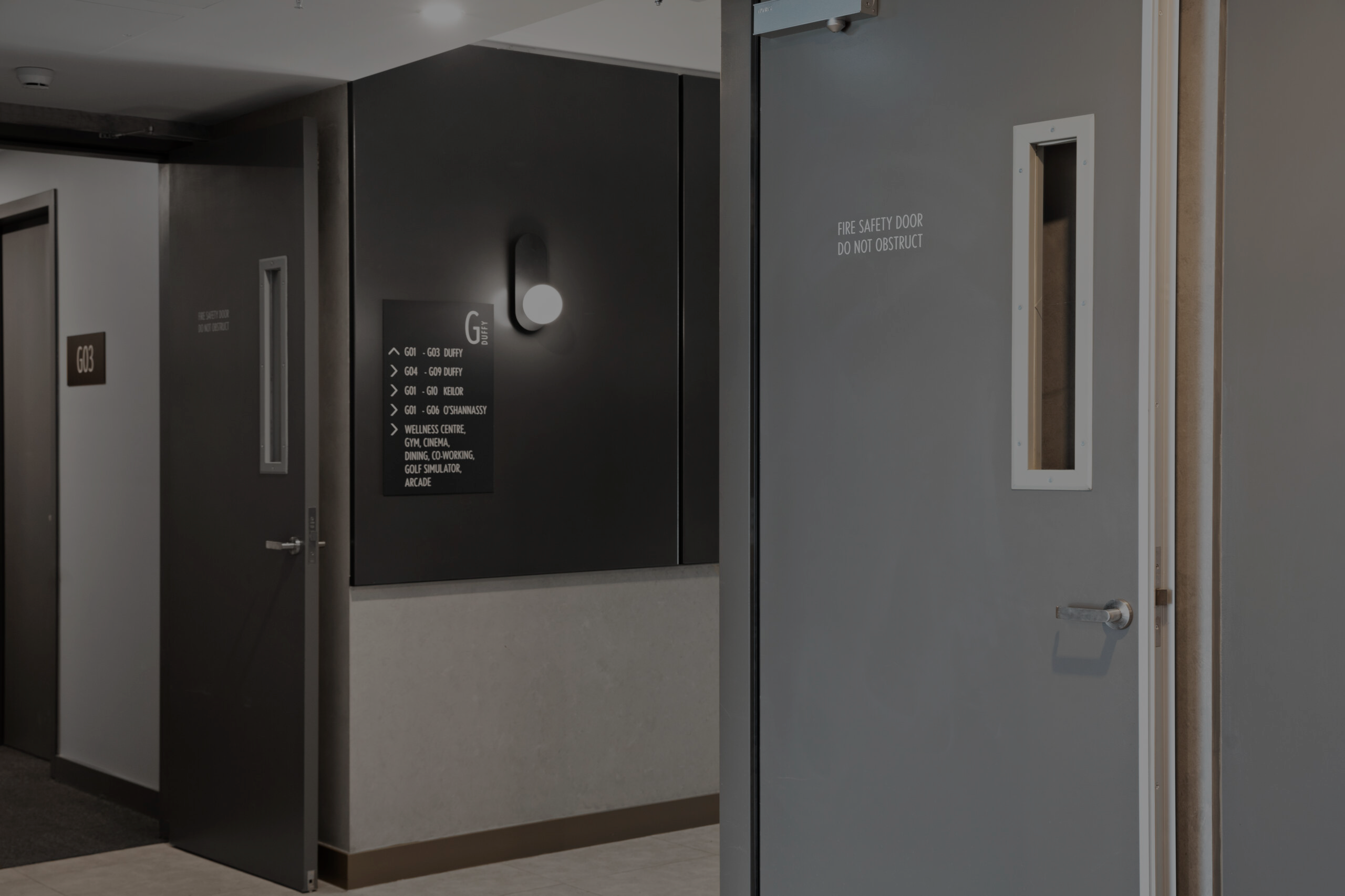
Fire Safety Doors
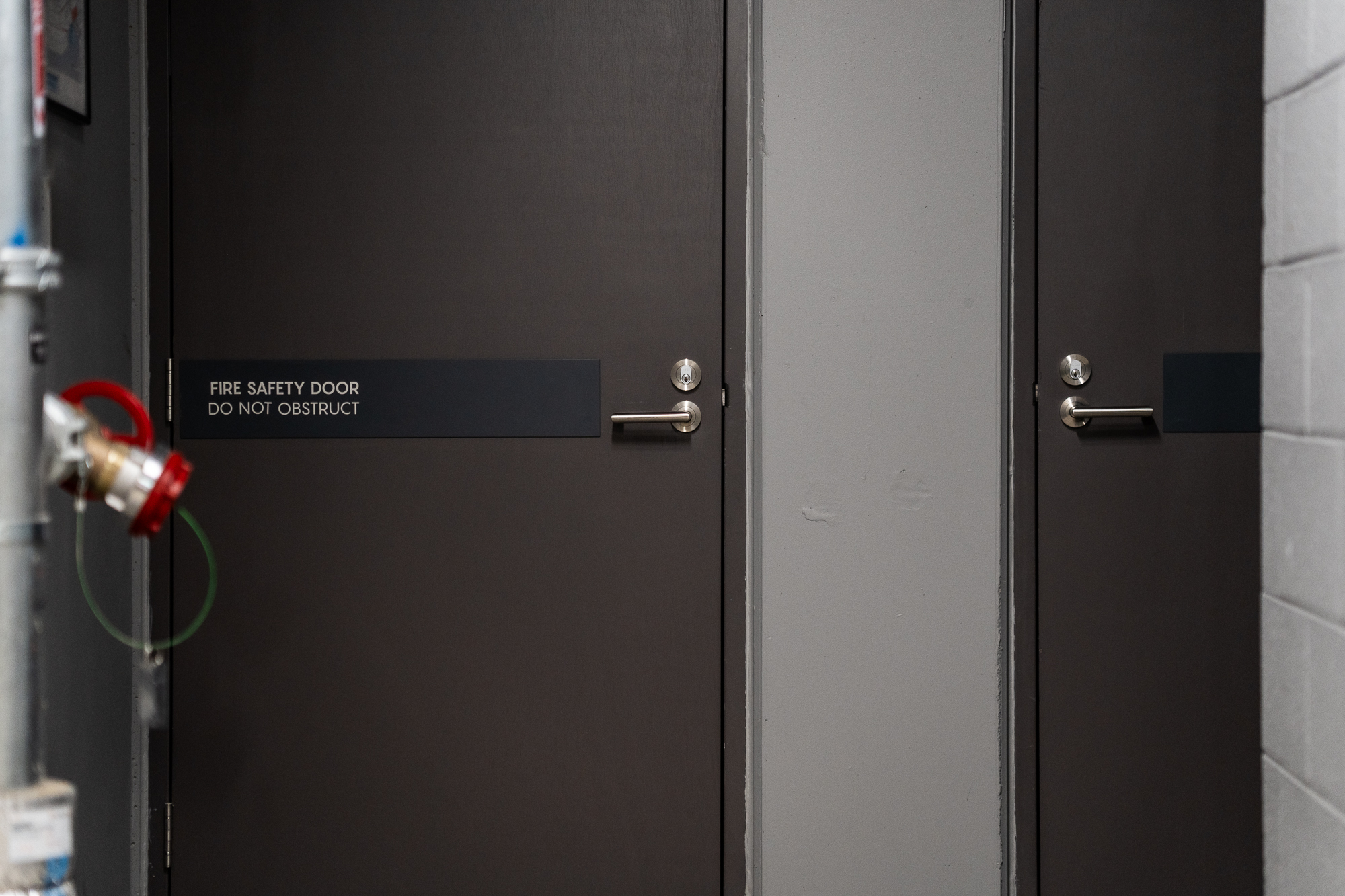
Fire door hinges are a critical part of a fire-resistant doorset and need to be kept in good working order. Under AS 1905.1-2015 Clause 5.6.1, hinges must be properly fitted and maintained so the door can operate as intended. That matters because fire doors are not tested as loose components. They are tested as complete assemblies, with the hinge correctly installed, all required fixings in place, and the door set within the permitted tolerances.
If that installed condition changes, the performance of the door can change with it.
The hinges support the weight of the door leaf and help keep it correctly aligned within the frame. When hinges become loose, incomplete or worn, the door may begin to drop, bind, twist or sit unevenly. Once that happens, the door may no longer close smoothly or latch consistently.
That is a serious issue on a fire door. A fire door is relied upon to limit the spread of fire and, where applicable, smoke between compartments. If the door cannot close properly, or if the clearances become excessive, the protection offered by the doorset can be compromised. Guidance from Australian fire door industry sources also emphasises that incorrect clearances are a prominent reason fire doors can fail prematurely in a fire.
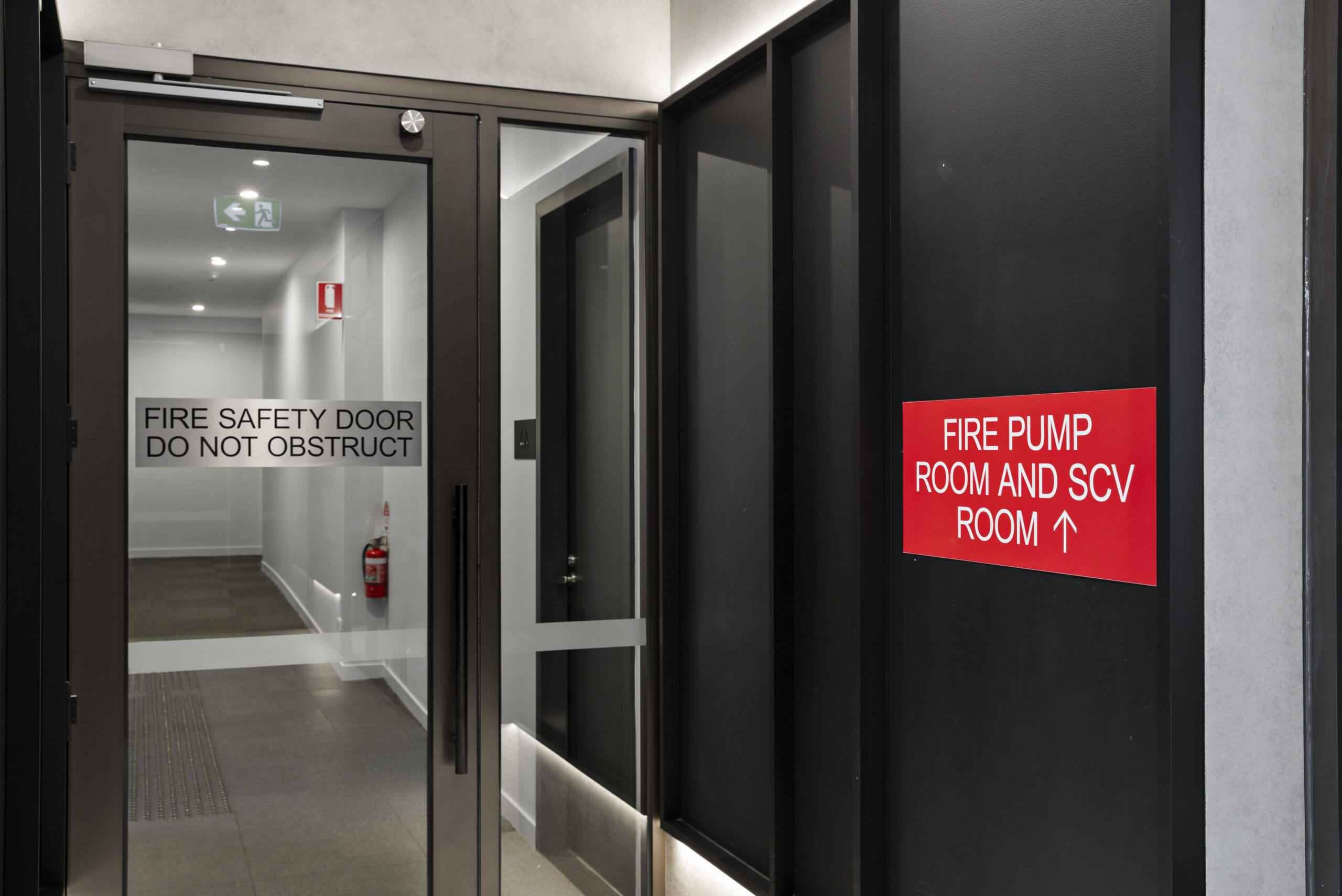
Several hinge-related defects can affect compliance and performance:
Hinge clearances exceeding 3 mm
Where hinge-side or perimeter clearances exceed the permitted limit, the door may no longer reflect the tested condition. Industry guidance and Australian supplier documentation commonly reference a maximum average gap of 3 mm at the stiles and head for compliant fire door installations. Larger gaps can create a path for heat and smoke and can reduce the integrity of the doorset.
Loose hinges
A loose hinge can allow movement between the leaf and frame. Over time, that movement often leads to sagging, misalignment and poor closing performance. What starts as minor movement can quickly become a door operation issue.
Missing screws from the hinge assembly
Missing screws are not a cosmetic defect. Hinges are intended to be installed with the full set of required fixings. If screws are missing, the hinge may no longer support the leaf the way it was designed and tested to do. This can contribute to instability, leaf drop and accelerated wear.
Loose hinge pins
Loose or migrating hinge pins can affect the stability of the door leaf and the way the hinge performs under repeated use. Pins must remain secure. If they do not, the hinge may not provide the consistent support needed to keep the door aligned and operating reliably.
This is one of the most important points for owners, managers and contractors to understand: a fire door is a tested system, not just a rated leaf with hardware attached.
Australian fire door compliance material consistently describes fire doors and their fittings as part of a complete compliant assembly, with hardware selected and installed to suit the rated doorset and relevant standard requirements. If hinges are loose, screws are missing, pins are not secure, or the clearances exceed allowable limits, the installed door may no longer match the tested condition on which compliance depends.
That is why hinge issues should never be dismissed as minor maintenance items.
When hinge defects are ignored, the risks can include:
In practical terms, a hinge defect can become a whole-door defect.
A compliant fire door hinge setup should be checked for:
