
Door Frames
Fire Door Stops
Why Fire Door stops are always required to be 25mm and no less?
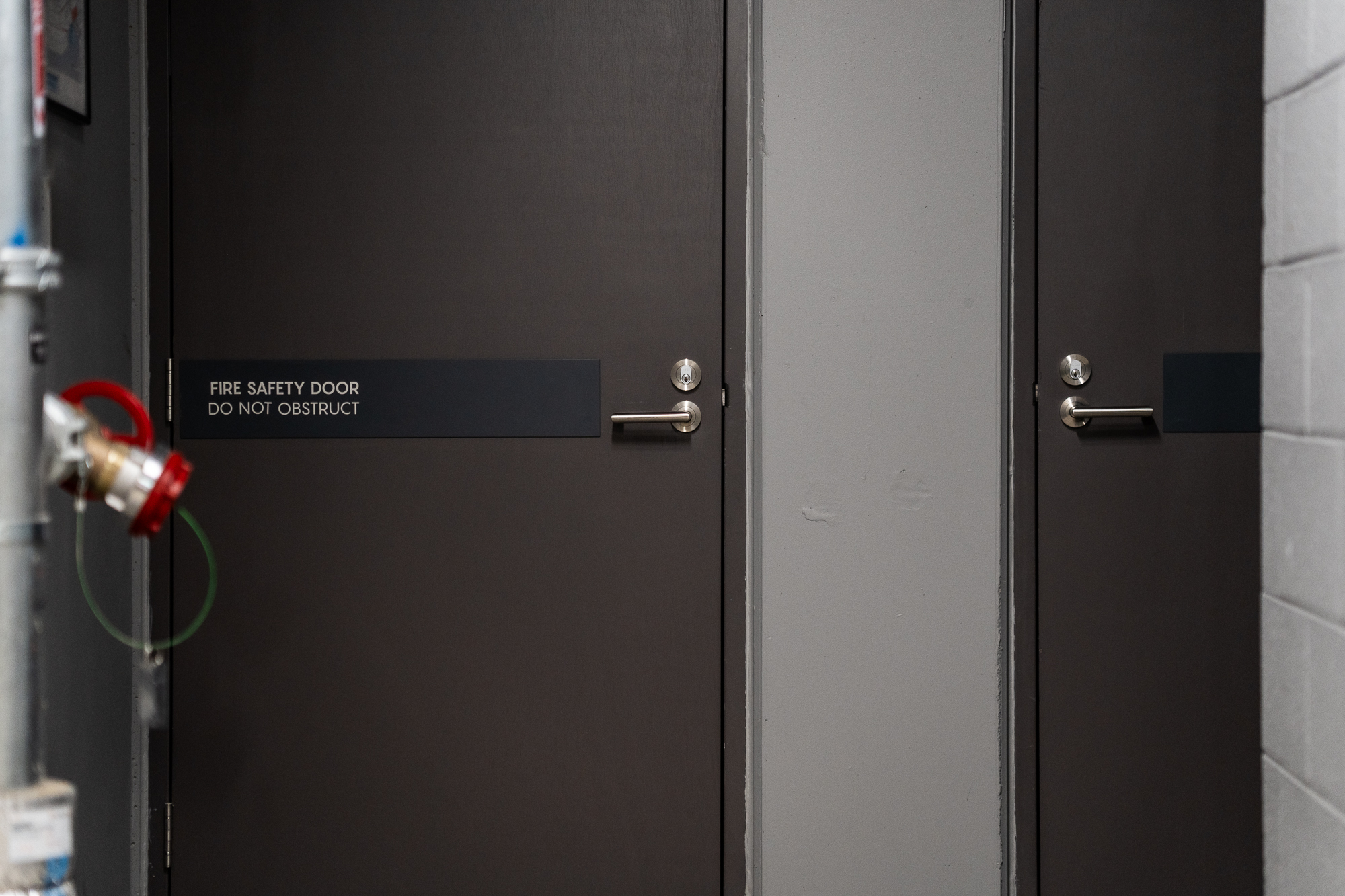
When people think about fire door compliance, they often focus on the obvious items such as signage, closers, smoke seals or damaged hardware. But fire door gap tolerances are just as important. If the gaps between the door leaf and frame are too large, too tight, or inconsistent, the door may not perform the way it was intended in a fire.
This is why AS 1905.1-2015 Section 5.5 is so important. It sets out the tolerances for the installation of door leaves within frames so the doorset can operate properly and maintain the performance expected of a tested fire door assembly.
In simple terms, a fire door is not just a door leaf. It is a system. And for that system to work, the clearances around the perimeter must be right.
A common misconception is that a fire door only needs to look solid and close roughly into the frame. That is not enough.
A fire door is tested and approved as an assembly, with components installed and positioned in a particular way. The relationship between the leaf and the frame forms part of that performance. If the fire door gap tolerances are outside the allowable limits, the door may not latch correctly, may allow smoke or heat to pass earlier than intended, or may place stress on hardware and seals that causes premature failure.
That matters because the purpose of a fire door is to slow the spread of fire and smoke from one compartment to another. If the gaps are wrong, that protective barrier can be compromised well before anyone notices there is a problem.
Excessive gaps are one of the most common defects seen on fire doors, especially where buildings have moved over time, doors have been replaced poorly, or frames and hardware have been altered without proper understanding of the door’s compliance requirements.
When perimeter gaps are too large, several issues can follow.
First, the fire door may no longer form an effective barrier. Large clearances can allow heat, smoke and hot gases to pass through more easily around the edges of the door.
Second, latching can become unreliable. If the leaf does not present correctly to the latch because of poor fit within the frame, the door may close but fail to secure properly. In an emergency, a fire door that does not latch is a serious problem.
Third, smoke seals or intumescent seals may not work as intended. These products rely on correct positioning and contact conditions. If the spacing is excessive, the system may not behave in the way it was designed and tested to perform.
People often assume tighter is better. That is also wrong.
If the clearances are too tight, the leaf may bind on the frame, drag, fail to self-close smoothly, or place too much load on hinges, closers and latch mechanisms. That can lead to wear, damage and inconsistent operation.
A fire door must be able to close fully and reliably. If it sticks or fouls because the tolerances are too tight, it can be just as non-compliant and unsafe as a door with excessive gaps.
This is particularly important in buildings where temperature, humidity, settlement or frequent use can affect how the leaf behaves over time.
AS 1905.1-2015 Section 5.5 deals with the installation tolerances between fire door leaves and frames. The reason this section matters is not simply because it provides a technical rule. It matters because it protects the tested performance of the doorset.
The standard recognises that door clearances are not arbitrary. They influence how the door closes, latches and resists the spread of fire and smoke. A properly installed door within the allowable tolerances is far more likely to perform the way the manufacturer and test evidence intended.
For owners, managers and committees, this means gap compliance is not a cosmetic issue or a minor maintenance note. It is a core part of fire door performance.
There are several reasons fire door gaps end up outside tolerance.
One is poor installation from the start. If the frame is not plumb, square or properly fixed, the clearances around the leaf can be wrong from day one.
Another is building movement. Over time, settlement, structural movement or repeated use can shift the relationship between the leaf and the frame.
Repairs and alterations are also a major cause. Rehanging a door, replacing hinges, changing closers, modifying latches or adjusting frames without understanding fire door compliance can create new defects even if the original issue seemed minor.
Damage is another common factor. Impact from trolleys, moving equipment, forced use or poor maintenance can distort hardware, frames or leaves and change the gap profile around the door.
The right solution depends on the cause of the defect.
In some cases, adjustment of the leaf, hinges or hardware may bring the clearances back within tolerance. In others, repairs to the frame or replacement of worn components may be needed.
Where gaps are too large, compliant rectification may involve approved methods such as installing suitable sealing systems where permitted, or more substantial remedial works to restore the tested relationship between the frame and leaf. The correct approach should always reflect the door’s certification, manufacturer requirements and the applicable standard.
What should not happen is an improvised fix. Packing gaps with unsuitable materials, over-adjusting hardware, trimming the leaf without authority, or applying unapproved products can make the problem worse and may affect compliance even further.
Small clearance issues do not usually stay small.
A door that starts out only slightly misaligned can become harder to latch, harder to close and more likely to suffer hardware damage over time. What begins as a gap tolerance issue can quickly lead to broader defects involving smoke control, self-closing function, latch engagement and overall reliability.
That is why early identification matters. Rectifying a tolerance issue promptly is generally simpler and less disruptive than dealing with a failed fire door after months or years of wear.
For building owners and managers, it is also part of reducing future risk. Fire door gap tolerances are there to protect life and property. Leaving them out of tolerance undermines the very purpose they are meant to serve.
Fire doors are often only noticed when something is visibly broken. But compliance is not just about obvious damage. It is also about the hidden details that allow the door to work when it matters most.
Fire door gap tolerances are one of those details. They affect closing, latching, smoke control and overall fire performance. AS 1905.1-2015 Section 5.5 exists for a reason: because correct installation clearances are fundamental to how the doorset performs.
In practice, that means the fit of the door within the frame should never be treated as a minor issue. If the gaps are wrong, the protection the door is supposed to provide may be reduced.
And when it comes to fire safety, close enough is not the same as compliant.