Door Frames
Fire Door Stops
Why Fire Door stops are always required to be 25mm and no less?
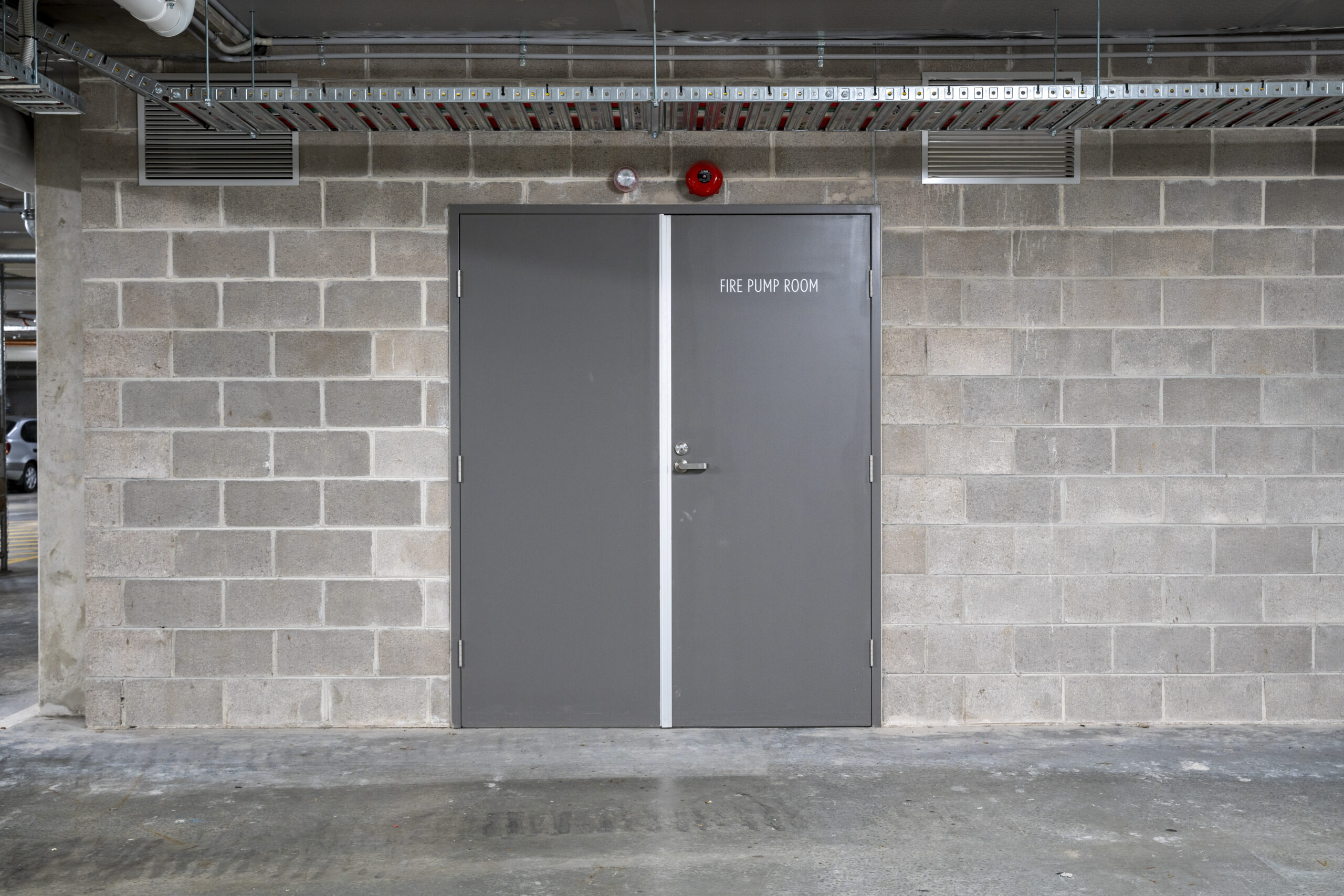
A fire door sequence selector might seem like a small piece of hardware, but on a double fire or smoke door set, it plays a very important role. If the leaves do not close in the correct order, the doors may not latch properly, smoke separation can be reduced, and the doorset may not perform the way it was intended to in an emergency.
That matters because fire and smoke doors are not ordinary doors. Under the National Construction Code and its fire door and smoke door provisions, these doors are part of a building’s life safety system. The NCC’s requirements for fire and smoke doors sit within provisions dealing with the protection of openings and the containment of fire and smoke spread. In NCC 2022, these requirements are addressed in Specification 12 Fire doors, smoke doors, fire windows and shutters, while NCC 2019 addressed them in Specification C3.4. Those specifications prescribe the construction requirements for fire and smoke doors, and fire doors are required to comply with AS 1905.1:2015.
On double doors, that compliance is not just about the leaves themselves. It is also about how the full assembly works together.
What a sequence selector actually does
A sequence selector is fitted to certain double door sets so one leaf closes before the other. In simple terms, it controls the closing order.
This is critical where the doorset has rebated meeting stiles, coordinating hardware, smoke control requirements, or latching arrangements that depend on one leaf being in position before the other closes. If the wrong leaf closes first, the second leaf may strike incorrectly, fail to align, fail to latch fully, or leave gaps that compromise performance.
That is exactly why sequence matters. A double doorset may look closed to the eye, but if the leaves have not shut in the order the system relies on, the assembly may not be providing the protection people assume it is.
Why the closing order is so important
On many double fire and smoke doors, the inactive leaf must close first, followed by the active leaf. That allows the active leaf to shut against the correct edge, engage the latch correctly, and compress any required seals as intended.
If that sequence is disrupted, several problems can follow.
First, the active leaf may not latch securely. A fire or smoke door that does not latch cannot be relied on to remain properly closed during fire conditions or building use.
Second, smoke control can be reduced. Smoke doors are intended to limit the spread of smoke, and that performance depends on the doorset closing correctly and maintaining its protective edge conditions. The NCC includes specific general and construction requirements for smoke doors, and the smoke door provisions sit alongside the broader fire resistance framework because smoke spread is a major life safety issue in buildings.
Third, the doors can suffer repeated impact or misalignment over time. When leaves fight each other on closing, hardware can loosen, the closing action can become unreliable, and the defect usually gets worse, not better.
What the standards are really getting at
The importance of sequence selectors in this context sits neatly with the logic of the standards referenced in your brief.
AS 1905.1:2015 sets out requirements for the construction and installation of fire-resistant doorsets used to protect openings in fire-resistant walls. That means the doorset is treated as a complete tested system, not just a collection of parts.
Likewise, the smoke door framework in the NCC and the referenced smoke door standard, including AS 6905 as cited in your brief, is concerned with doors performing properly as smoke control elements. A double smoke door that closes in the wrong order is not just inconvenient. It can directly undermine the purpose of the opening protection.
This is the key point many people miss: a sequence selector is not there for neatness or convenience. It is there because the doorset may depend on that closing order to work as designed.
Common defects seen in the field
In real buildings, sequence selector issues often show up in a few familiar ways.
Sometimes the selector is missing altogether, even though the door arrangement clearly needs one.
Sometimes it has been damaged, painted over, bent, or adjusted poorly so it no longer coordinates the leaves properly.
In other cases, the door closer settings are wrong, so even with a selector fitted, the leaves do not shut in a controlled sequence.
And sometimes one defect causes another. A loose closer arm, warped leaf, poor clearance, failing latch, or damaged meeting stile seal can all affect how the sequence plays out.
This is why double fire and smoke doors should never be assessed by looking at just one piece of hardware in isolation. The real question is whether the full assembly closes, coordinates, latches and seals the way it should.
Why this matters for building owners and managers
For owners, managers and occupants, the risk is simple. If a double fire or smoke door does not close in the correct sequence, it may not provide the level of protection the building relies on.
That can affect smoke separation, fire compartmentation and safe egress conditions. It can also lead to compliance issues during inspection, especially where the defect is obvious and ongoing.
More importantly, these are the kinds of issues that often go unnoticed until a door is used repeatedly, tested during an inspection, or needed in an emergency. By then, a small hardware problem can become a much bigger safety concern.
If a double fire or smoke door relies on coordinated closing, the sequence selector needs to be present, correctly installed, and working with the rest of the hardware.
The leaves should close in the intended order. They should align properly at the meeting stiles. The latch should engage fully. The smoke seals should not be defeated by the closing action. And the doors should operate consistently, not just once, but every time.
That is the real value of a fire door sequence selector. It helps make sure a double doorset closes as a system, not as two separate leaves competing with each other.
And when life safety is the issue, correct sequence is not a minor detail. It is part of what helps the door do its job.